Tech bau
When I first heard about the Internet of Things (IoT), the idea seemed straight out of a futuristic movie—smart fridges, homes that anticipate your mood, machines that talk to each other. Ten years back, businesses saw IoT mostly as a “cool” upgrade for big budgets. Now, in 2025, IoT has become a backbone of daily life and business. From healthcare to agriculture and cities to factories, billions of devices are quietly shaping decisions, efficiency, and comfort.
So what does the future really look like for IoT? Here’s a deep dive, based on my work with tech projects, insights from global experts, and the newest trends shaking up industries right now.
1. Edge Computing: Fast Data, Smarter Decisions
One of the most exciting advances is edge computing—processing data close to the source, instead of relying only on distant cloud servers. Last year, I helped a manufacturing client install sensors on their assembly lines. Instead of sending every detail to the cloud, their edge devices analyzed patterns instantly, alerting staff to equipment wear before a breakdown. Downtime fell, costs dropped, and their decisions sped up.
Expert View: Markus Persson from IFS notes, “Edge computing has become indispensable for IoT. By processing data in real-time onsite, businesses save on bandwidth, gain precision, and minimize costly delays.” Smart cities use this for traffic lights, meaning changes are made in seconds rather than minutes.
2. AI + IoT = Intelligent Automation
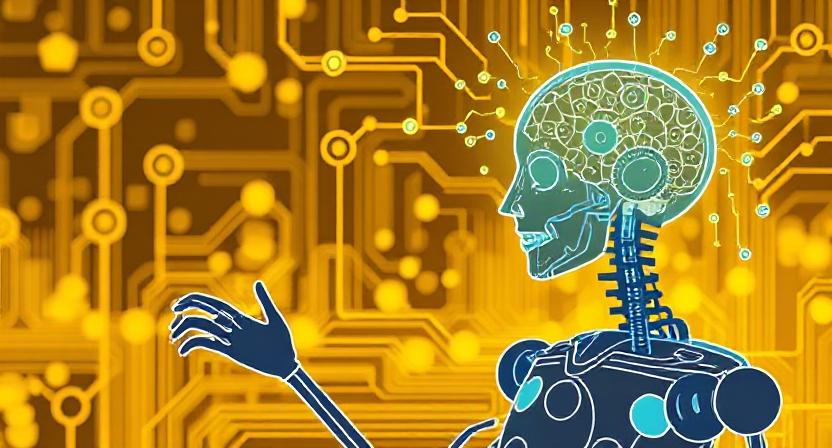
AI and IoT are converging into what’s called AIoT. For example, smart thermostats don’t just adjust temperature—they learn your habits and tweak settings for comfort and savings. I tested a new wearable last month that used tiny AI models to track my workouts, adjust feedback in real-time, and even evaluate sleep patterns. It felt like having a silent, personal trainer at all times.
Real Impact: In factories, AI-powered sensors predict maintenance needs and fix small problems before they become big ones. This has cut unplanned downtime by up to 50% according to McKinsey research.
3. 5G and Hybrid Connectivity: Breaking Old Limits
The arrival of 5G and emerging Wi-Fi 6/6E means IoT devices are now faster, more reliable, and everywhere. A smart farm I visited in Punjab used 5G to instantly receive weather updates and control irrigation remotely. Billions of low-power wide area (LPWAN) sensors, now mix Wi-Fi, cellular, and satellite for coverage in the most remote regions.
Fact: By the end of 2025, more than 27 billion devices will be online, with 65% of the global population covered by 5G.
4. Security Gets Smarter
With so much connectivity comes new risks. In 2025, IoT hardware and networks use advanced encryption and real-time threat detection. When a retail chain I worked with installed IoT cameras and payment sensors, they chose platforms with hardware-level security—blocking most intrusion attempts before any damage.
Expert Advice: SaM Solutions reports that hardware security modules, blockchain-based identity, and routine software updates are a must for any IoT deployment.
5. Low-Power, High-Efficiency Chips
IoT’s success also means being practical. In 2025, tiny chips with low energy requirements let devices run for months—sometimes years—without battery changes. A new home automation sensor I installed is so efficient, it works for over a year on a single battery, controlling lights and security with AI calculations on the chip itself.
Industry Update: Smart microcontrollers (like Espressif’s ESP32 or Nordic nRF54) bring cloud capabilities to affordable, tiny gadgets—accelerating adoption in homes, health, and retail.
6. Sustainability and IoT: Greener Tech on the Horizon
IoT isn’t just making businesses faster—it’s helping protect the planet. Smart energy meters, pollution sensors, and automated grid management systems cut waste with precision. One telecom network I advised used AI and IoT to monitor and reduce carbon emissions in real-time, saving on both costs and energy usage.
Fact: Over 60% of telecom and energy firms now use IoT to track, manage, and optimize their environmental impact.
7. Digital Twins, VR, and New Realities
IoT is pairing up with Digital Twins—virtual replicas of real-world machines, buildings, or people. In healthcare, these models help test surgeries before operating. In manufacturing, they allow engineers to spot problems digitally first. Paired with VR, teams can design, simulate, and troubleshoot in virtual spaces.
In my work with an auto plant, digital twins made equipment upgrades less risky and training more immersive. Teams literally “walked” through machinery via VR before making changes on the shop floor.
8. Smart Cities and Connected Communities
Cities everywhere now use IoT to optimize traffic, waste, water, air, and utilities. Lahore’s traffic department rolled out smart signals that adapt to congestion, improving commutes and cutting down emissions. Residents in smart apartments enjoy automated services—like leak detection or energy bills—powered by connected sensors.
Expert Insight: “The future is smarter, not just connected,” says Sandeep Gade from IoT For All. “IoT is about real improvements: safer streets, cleaner air, and more convenient living.”
Conclusion
The future of IoT is intelligent, sustainable, and inclusive. Whether you’re managing a business or living in a smart home, IoT’s role in real-time data, automation, and decision-making keeps expanding. The big lesson? The devices aren’t just talking to each other; they’re working for us—all day, every day.
As we move forward, adaptable connectivity, edge computing, AI integration, and security will define success. In 2025 and beyond, IoT isn’t just connecting things—it’s improving lives and transforming the world.